Decluttering your home is not just a household task — it’s a true act of release. Imagine walking into your home and instantly feeling that sense of ease, that flow in the space around you. When we let go of what we no longer need, we gain far more than just a few extra square meters: we regain mental clarity, reduce stress, and create an environment that supports our well-being. That’s exactly how I felt when I returned from my trip and cleared out the family home — a real sense of relief.
The benefits of a clutter-free home are numerous. Mentally, fewer belongings mean less visual distraction and therefore a greater sense of calm. Physically, cleaning and maintenance become quicker and easier. Practically, you can find your things more easily and save valuable time in your daily routine.
I’ve created this comprehensive guide for you. It will support you through a gentle, step-by-step process to transform your home. By following these 7 structured steps, you’ll learn how to declutter effectively, organize in a sustainable way, and maintain this newfound sense of lightness.
1. How to declutter your home effectively?
The first step in decluttering your home is to look at your space with fresh eyes. Take the time to walk through each room as if you were seeing it for the first time. What stands out to you? Which areas feel overcrowded? Where do you tend to accumulate things?
Grab a notebook and write down your observations in detail. This assessment phase will help you set clear priorities. Some people feel overwhelmed by the scale of the task and give up before they even begin. To avoid this discouragement, list your spaces in order of priority: start with the areas you use most or those that cause you the most stress.
Don’t set unrealistic goals. Rome wasn’t built in a day, and your home won’t be decluttered in just one afternoon. Consistency matters more than intensity: it’s better to spend 20 minutes a day than to plan an entire day you’ll keep putting off indefinitely.
2. The category method: the key to successful decluttering
Although it might seem like a good idea, decluttering your home room by room is not the most effective approach. Why? Because we often store similar items in different places. You likely have clothes in your bedroom, but also in the hallway, laundry room, or even the living room.
The category-based method completely transforms the way you approach decluttering. Instead of focusing on one room, you concentrate on one type of item at a time: all clothing, all paperwork, all cosmetics, and so on. This approach gives you a clear, overall picture of what you actually own.
Here are the main categories to work through:
- Clothing: clothes, shoes, accessories
- Papers and documents : factures, garanties, courriers
- Kitchen: food containers, utensils, small appliances
- Bathroom: cosmetics, toiletries
- Sentimental items: photos, keepsakes, gifts
For each category, follow this 4-step method: gather everything in one place, sort items based on condition and usefulness, make a conscious decision about what to keep or let go of, and then organize what you keep into dedicated spaces.
3. What are the 4 C’s of decluttering?
To declutter your home in a structured way, remember the 4 C’s that will guide your process.
Clarity: This first step is about gaining a clear picture of what you own. Take every item from a given category out of its hiding places. Lay out all 47 of your T-shirts on the bed, line up all 23 skincare products on the table. This visual impact can be surprising, but it is eye-opening. How can you make informed decisions if you don’t even know what you have?
Categorise: Group items into logical categories. Keep all beauty products together, administrative documents in one place, and separate summer clothing from winter items. This organisation makes comparison easier and helps you identify duplicates.
Choose: This is the moment to make conscious decisions. Every item should pass the usefulness and joy test. When did you last use it? Does it bring you any sense of satisfaction when you see it? This stage requires honesty with yourself.
Contain: Give every item you keep a clear, dedicated home. Anything without a “home” will eventually end up lying around and create clutter again.
4. How do you declutter a very cluttered home? s
You may feel overwhelmed by the scale of the decluttering ahead. Decluttering your home when it is very cluttered requires a gradual and structured approach to avoid burnout.
Adopt the “bulk sorting” rule: focus on just one room or one category per day at most. This limit helps prevent the mental overload that often comes with big decluttering sessions. Your brain needs time to process changes and integrate the decisions you make.
Use the 5-destination method for each item: keep, donate, sell, recycle, or discard. This simple classification speeds up decision-making and prevents you from putting items back into cupboards “to decide later.”
Don’t hesitate to ask for help. Family, friends, or even professional decluttering services can support you through the process. An outside perspective often provides the motivation you need, along with a more objective view of your belongings.
Remember that every small step matters. Even emptying a single drawer is progress toward your goal of lightness and flow.
5. Decide the fate of each item and create a lasting organisational system
Decluttering your home doesn’t stop at sorting: sustainable organisation is what ensures your efforts don’t go to waste. For each item, ask yourself the right questions: is it useful? Do I truly like it? How often do I use it?
Keep only what meets a real need or brings you genuine satisfaction. This approach, inspired by minimalism, frees you from the burden of unnecessary possessions.
What you choose not to keep deserves a second life. Donate usable items to charities and sell valuables on dedicated platforms. This approach gives meaning to your decluttering and helps prevent waste.
For organisation, invest in suitable storage solutions: transparent boxes, drawer dividers, and clear labels. Each category of items should have its own dedicated and easily accessible space.
Set up a 15-minute weekly decluttering appointment. This simple habit helps keep your home in an optimal state and prevents clutter from building up again.
6. How to organise your home in 7 days? (A practical challenge)
To declutter your home quickly while staying motivated, take on this 7-day challenge. Each day focuses on a specific area for immediate and encouraging results.
Day 1 – Clean out the fridge & freezer: Empty both appliances completely, discard expired items, clean all surfaces, and reorganise everything into logical zones.
Jour 2 – Trier le garde-manger : Rassemblez tous les produits alimentaires, vérifiez les dates, regroupez par catégories et éliminez ce qui ne vous fait plus envie.
Day 3 – Organise “junk drawers”: These spaces often collect unnecessary items. Empty them completely, sort ruthlessly, and only put back what is essential.
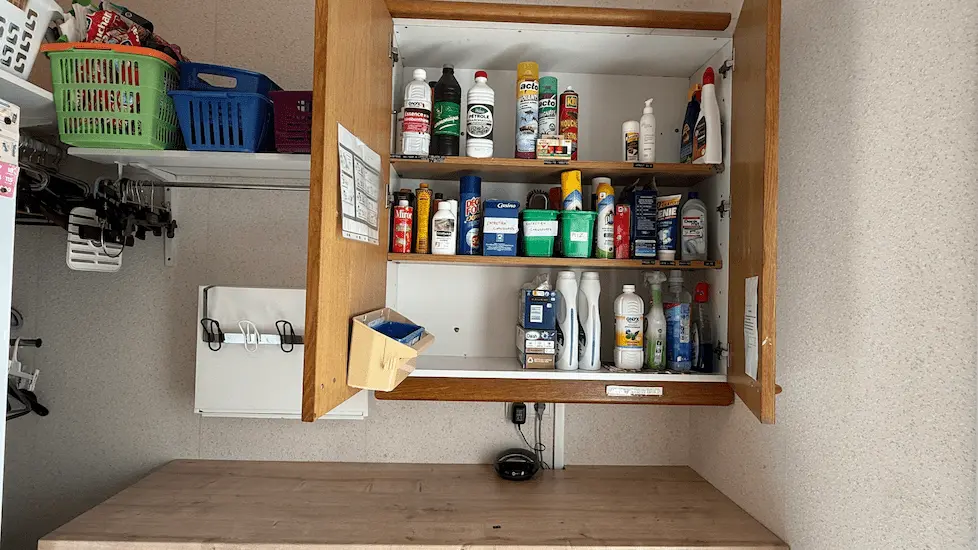
Day 4 – Declutter under the sink: Cleaning products, spare toilet paper, and miscellaneous items often pile up here. Sort everything out and organise by frequency of use.
Day 5 – Organise the medicine cabinet: Check expiry dates, return unused medicines to the pharmacy for safe disposal, and create a clear, well-organised first-aid kit.
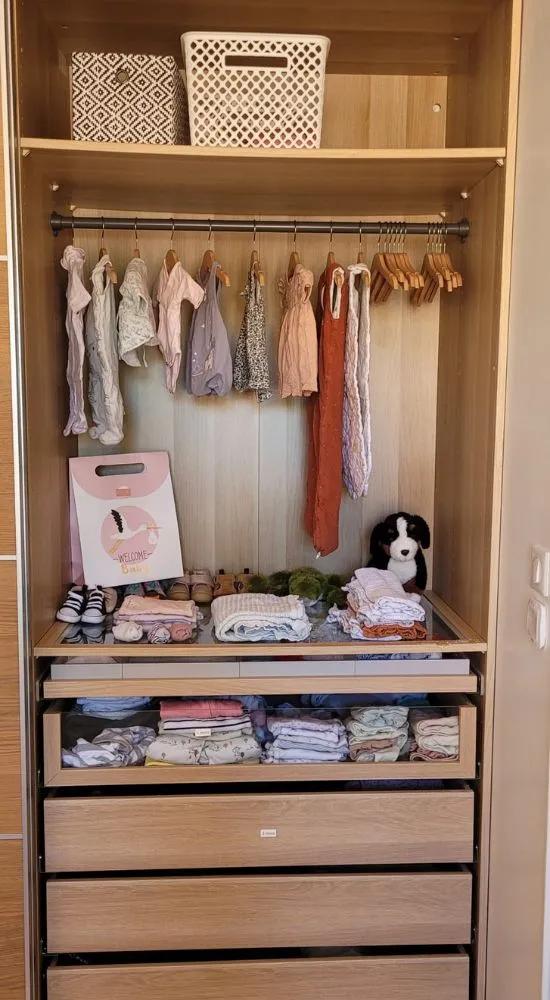
Day 6 – Tidy up your wardrobes: Take everything out, try on anything you’re unsure about, donate what no longer fits, and organise by season and frequency of use.
Day 7 – Clean up your inbox: Unsubscribe from unnecessary newsletters, archive important emails, and empty your trash. A cluttered digital space can also weigh on your mind.
Decluttering your home can profoundly transform your daily life. You’ve discovered a gradual method that respects your pace while delivering lasting results. The lightness of your home is reflected in your mindset: less stress, more clarity, and more time for what truly matters.
Consistency remains your greatest ally. Just a few minutes a day are enough to maintain this newly found sense of flow. The category-based method gives you a clear overview of your belongings and helps you make more informed decisions.
Your journey toward a calmer home begins today. Choose a small action—a drawer to empty, a category to sort. This first step, however small it may seem, will lead you toward the sense of ease and release that comes with a harmonious space. Your decluttered home is waiting for you: it will reflect the serenity you deserve.